Beat Burnout, Find Flourishing: The AI Edition — Navin Keswani at AI Engineer Melbourne 2026

Beat Burnout, Find Flourishing: The AI Edition
The pace feels relentless. A new AI tool arrives on your team's desk every few weeks. Code completion assistants, autonomous agents, generative models for everything from design to documentation. There's genuine excitement about what's possible, but underneath it runs a current of exhaustion. People are burning out not just from the work, but from the constant pressure to adopt, adapt, and stay relevant.
This is the human side of AI transformation that rarely gets discussed in keynotes about productivity gains. When everyone's talking about how much faster you can ship, no one's asking whether your team has the capacity to absorb another major shift in how they work.
Navin Keswani has been thinking about this from an unusual angle: what does flourishing actually look like in the age of AI? Not burning out less, not merely surviving the transition. But genuinely flourishing—where technology amplifies human capability rather than replacing it, where the pace of change feels energizing rather than overwhelming.
The distinction matters. Burnout reduction is about damage control. Flourishing is about creating conditions where people actually want to be at work, where they feel capable, where they see AI as a tool that makes their job more interesting rather than threatening it.
The challenge is systemic. Teams face competing pressures: ship faster, keep up with the AI revolution, don't fall behind competitors, don't let the technology run amok. The anxiety compounds when people feel their expertise is suddenly worth less. A junior engineer can now generate working code that used to require three years of experience to produce. A senior engineer watches this happen and wonders what their value is anymore.
And then there's the overwhelming choice. Every new AI tool promises to save time, boost productivity, transform workflows. Adopting them all is impossible. Not adopting them feels risky. The cognitive load of even deciding which tools matter is exhausting.
What would change if organizations approached AI transformation with human flourishing as the primary metric, not productivity metrics? What if the question wasn't "how much faster can we work" but "what kind of work do we want to do, and how can AI help us do that?"
This requires different choices. It means being deliberate about which AI tools actually add value versus which ones add noise. It means time and space for teams to experiment and adapt, not a forced march of adoption. It means conversations about what people find meaningful in their work—and whether AI tools enhance or undermine that meaning.
It also means acknowledging what's genuinely uncertain. AI is moving fast. Roles are changing. Some skills are becoming more valuable, others less so. The path forward isn't about pretending these changes don't matter. It's about creating conditions where people can evolve with the technology rather than being left behind by it.
The most thriving teams won't be the ones that adopted the most AI tools fastest. They'll be the ones where people felt heard about the challenges, where change happened with intention rather than panic, and where technology served human goals rather than the other way around.
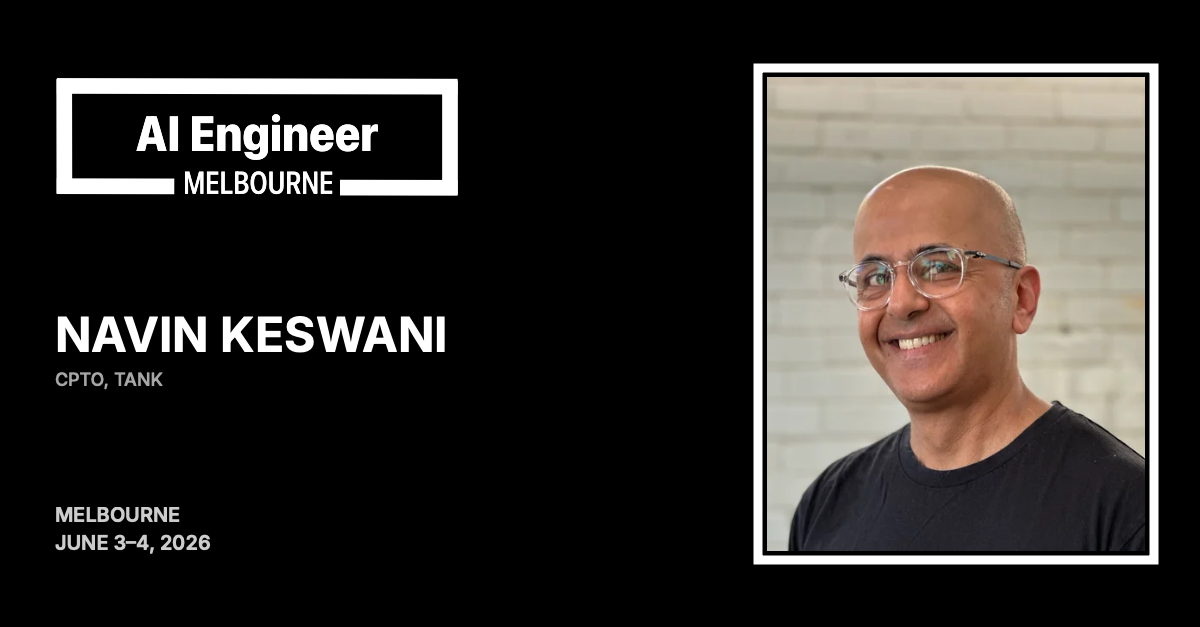
Navin Keswani is exploring exactly these questions at AI Engineer Melbourne 2026 on June 3-4, bringing the perspective of technology leadership grounded in human wellbeing—the missing piece in most AI transformation conversations.
Great reading, every weekend.
We round up the best writing about the web and send it your way each Friday.