Safer.Design: Designing AI systems we can live with
As AI capabilities accelerate, most product conversations still focus on what systems can do, not what they might cause.
Ethics is often treated as a policy layer or post-launch concern. But as designers, we are increasingly shaping automation boundaries, behavioural nudges, escalation paths and trust architecture. Whether we acknowledge it or not, we are defining risk.
In this session, I’ll introduce Safer.Design, an emerging framework that integrates ethical foresight directly into design practice. Developed through postgraduate research in design futures focused on ethics in emerging technology, and refined through 17+ years of professional experience designing complex service ecosystems, Safer.Design reframes ethics as a practical design activity.
At its core, Safer.Design helps teams ask five practical questions:
- What harm can we reasonably foresee?
- What consequences might emerge beyond the intended use case?
- Where should human judgement remain in the system?
- What would make this system trustworthy in practice, not just in principle?
- How will we know when the system needs to be challenged, changed or stopped?
Rather than slowing innovation, Safer.Design provides teams with a structure to anticipate impact, design accountability and build AI systems we can responsibly scale and stand behind.
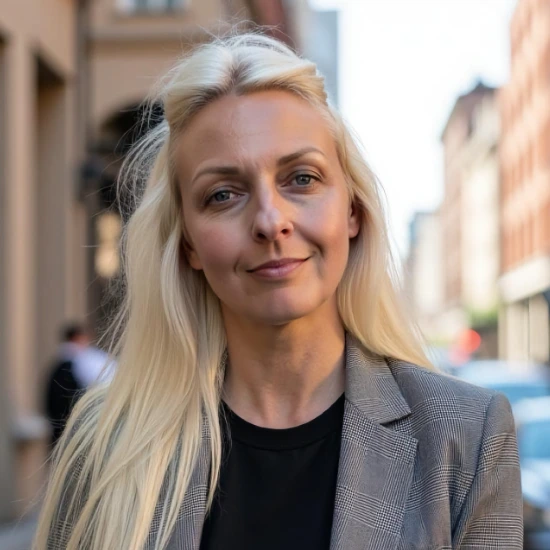
Lucy West
I’m a Design Leader with 17+ years’ experience designing complex digital products, platforms and service ecosystems.
I hold an undergraduate degree in Design from UTS and a Master of Design Futures from RMIT. My postgraduate research explored design ethics in emerging technologies, with a focus on how design practice can actively shape responsible technological futures.
Safer.Design emerged from this research foundation and from hands-on experience leading design in real-world service environments. It translates ethical foresight into practical design activity, helping teams move beyond abstract principles and into the everyday choices that shape risk, trust, human agency and accountability.
I’m excited to contribute a practitioner-led perspective to the AI design conversation - one grounded in the reality of designing, scaling and governing digital systems as AI moves from experimentation into production.